- Published on
Why You Don't Enjoy the Things You Used to Love Anymore
- Authors
- Name
- Siendu Damar
- Author
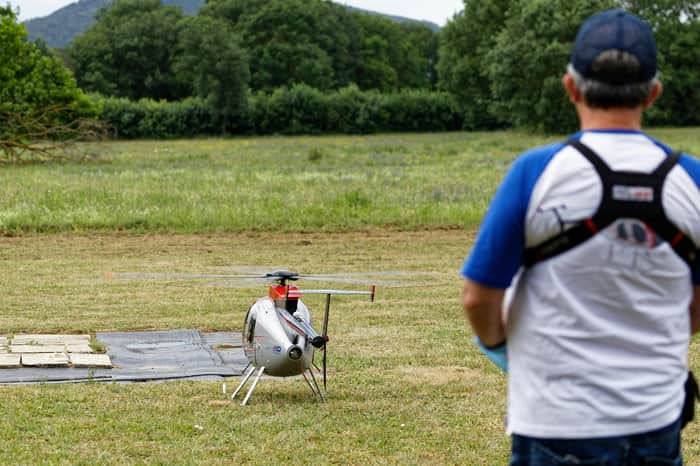
When Your Favorite Thing Becomes Just… Nothing
You remember when you couldn't wait to get home from school to play that game. Or when you'd lose track of time reading. Or when drawing was the one thing that made everything else fade away.
It was your thing. Your escape. Your joy.
But now? You open the game and close it five minutes later. You pick up a book and put it down. You stare at a blank canvas and feel… nothing.
What happened?
It's not just you. This is something a lot of people go through, and it can feel really confusing—and kind of sad.
Because if you don't enjoy the things you used to love, what does that say about you?
Let's talk about it.
You've Changed, and That's Normal
Here's the simplest answer: you're not the same person you were.
The version of you that loved that hobby had different needs, different energy, different circumstances.
Maybe you loved gaming because it was an escape from stress at school. Now you're an adult with different stresses, and gaming doesn't hit the same way.
Maybe you loved drawing because you had endless free time and creative energy. Now you're tired, busy, and mentally drained.
It's not that the hobby got worse. It's that you outgrew it—or at least, outgrew that version of it.
And that's okay. People change. Interests shift. What felt meaningful at 15 might not resonate at 25. And that doesn't mean something's wrong with you.
It just means you're growing.
You're Mentally Exhausted
This is a big one that people overlook.
Hobbies require mental energy. Even "relaxing" ones.
If you're burned out from work, school, or life in general, your brain doesn't have the bandwidth to engage with activities—even ones you love.
You might think, "But I used to play this game to relax!"
Yeah, but relaxation requires a baseline level of energy. If you're running on empty, even "fun" things feel like too much effort.
It's like trying to enjoy a meal when you're nauseous. The food isn't bad. You're just not in a state to appreciate it.
So it's not that you don't like your hobbies anymore. It's that you're too drained to enjoy anything.
And that's a sign you need rest—not more hobbies.
It Became an Obligation Instead of a Choice
Here's a sneaky way hobbies die: they stop being fun and start being "something you should do."
Maybe you used to love playing guitar. Then you started taking lessons. Practicing became homework. Progress became pressure.
Or you loved reading, so you set a goal to read 50 books a year. Now every book is a checkbox. Every page is a race.
When a hobby becomes a performance or a goal to hit, it loses the magic.
Because the joy was never in mastering it or completing it. The joy was in doing it for no reason at all.
And the moment you attach expectations, productivity, or achievement to a hobby, it's not a hobby anymore. It's a task.
You're Overstimulated and Nothing Feels Engaging
We live in a world of infinite entertainment.
You can watch anything. Play anything. Read anything. Scroll endlessly.
And that constant access to stimulation has a cost: your brain's reward system gets dulled.
If you're used to the rapid-fire dopamine hits of social media, TikTok, or YouTube, slower activities like reading or drawing feel boring by comparison.
Your brain is looking for that instant gratification. And hobbies that require patience, focus, or delayed satisfaction just don't compete.
This is called dopamine desensitization, and it's real.
The fix? Digital detox. Give your brain a break from the high-speed stimulation so it can recalibrate and find joy in slower, deeper activities again.
You're Comparing Yourself to Others
You used to draw for fun. Then you saw other people's art online. Professional-level stuff. Viral posts. Thousands of likes.
And suddenly, your drawings don't feel good enough anymore.
Comparison killed your enjoyment.
You stopped doing it because you loved it. You started doing it because you wanted to be as good as them. Or get the same recognition. Or prove something.
And when it didn't measure up, it stopped being fun.
This happens across hobbies. Gaming. Writing. Music. Cooking. Anything.
The moment you shift from "I enjoy this" to "Am I good at this?", the joy drains out.
Because you're no longer playing. You're performing.
You've Been Doing It the Same Way for Too Long
Sometimes hobbies get stale not because you're tired of them, but because you're tired of doing them the same way.
You've been playing the same types of games. Reading the same genres. Drawing the same subjects.
And your brain is bored.
Not with the hobby itself—just with the repetition.
The fix? Change it up.
- If you love gaming, try a completely different genre.
- If you read fiction, try non-fiction. Or poetry. Or graphic novels.
- If you draw digitally, try traditional media. Or vice versa.
A small shift in approach can reignite the spark.
You're Depressed (and Don't Realize It)
Okay, let's get real for a second.
One of the earliest signs of depression is losing interest in things you used to enjoy.
It's called anhedonia—the inability to feel pleasure.
And it doesn't always come with sadness or crying. Sometimes it just feels like… flatness. Like everything is gray and uninteresting.
If you're not just bored with one hobby, but with everything—food, friends, activities, life in general—that's worth paying attention to.
You might not be "over" your hobbies. You might be struggling mentally.
And if that's the case, talking to someone (a therapist, counselor, or trusted person) can help.
You're Afraid of Not Being Good Anymore
Here's a weird one that happens more than you'd think.
You used to be good at something. Maybe even really good.
But you haven't done it in a while. And now there's this fear: "What if I'm not good anymore? What if I've lost it?"
So you avoid it. Not because you don't want to do it, but because you're scared of being disappointed in yourself.
This is especially common with creative hobbies. Artists who stop drawing because they're afraid their skills have declined. Musicians who avoid playing because they "haven't practiced."
The fear of not being as good as you were keeps you from even trying.
And the irony? The only way to get back to that level is to start again, imperfectly.
You Don't Have the Same Environment
Sometimes it's not about you. It's about context.
You loved playing basketball because you had a group of friends who played every weekend.
You loved gaming because your college roommates were always online.
You loved reading because you had a cozy spot and hours of quiet time.
Now? Your friends moved. Your roommates graduated. Your life is loud and chaotic.
The hobby didn't lose its appeal. The environment that supported it disappeared.
And recreating that feeling is hard.
This doesn't mean the hobby is dead for you. It just means you need to find a new way to engage with it that fits your current life.
What to Do About It
So what now? Here are some things that might help:
1. Give yourself permission to let it go
Not every hobby has to stick with you forever. It's okay to move on. You're allowed to change.
2. Try it again with zero expectations
Don't aim to be good. Don't aim to finish anything. Just play. Just explore.
Rediscover the joy without the pressure.
3. Take a real break
Sometimes you need distance. Stop forcing it. Come back in a month, a year, whenever.
You might miss it. Or you might not. Both are fine.
4. Reconnect with why you started
Think back to what you loved about it in the first place. Not the achievement. Not the recognition. The feeling.
Can you find that again?
5. Find a new version of it
Maybe the old way doesn't work anymore. But a new approach might.
Same hobby, different angle.
6. Check in with your mental health
If nothing brings you joy, that's a bigger issue. Talk to someone.
Final Thoughts: You're Not Broken
If you don't love the things you used to love, it doesn't mean you're broken, boring, or lost.
It means you're human.
You're changing. You're growing. You're tired. You're overstimulated. You're stressed. You're navigating life.
And sometimes, in all of that, hobbies fall away.
But they can also come back. In new forms. At new times. With new meaning.
Or they don't. And that's okay too.
What matters is not forcing yourself to feel something that isn't there.
Because the right activities—the ones that actually fit who you are now—will feel different.
They won't feel like something you "should" enjoy.
They'll just feel like home. 🏡