- Published on
What to Do When You Have No Friends (And Why That's Actually Okay)
- Authors

- Name
- Siendu Damar
- Author
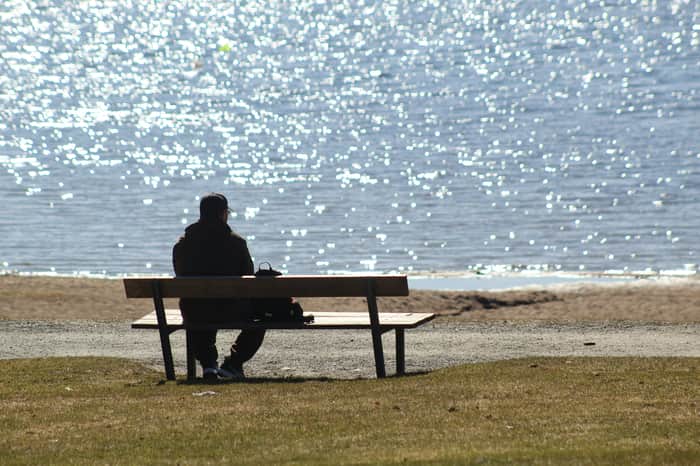
You're Not Failing — You're Just in a Different Chapter
There's this quiet shame that comes with not having friends. You see groups of people laughing together, watch social media full of hangouts and inside jokes, and feel like you're somehow broken or left behind.
Let me say this clearly: you're not.
At various points in life, many people go through periods of genuine isolation. It happens after moving to a new city. After graduating school and losing the built-in social structure. After changing jobs or going through major life transitions. Sometimes relationships just drift apart naturally, and suddenly you realize you're more alone than you used to be.
Our culture treats loneliness like a personal failure, but that's not fair or accurate. Sometimes being alone is simply a phase — an uncomfortable one, sure, but not a permanent identity or a reflection of your worth.
The question isn't "What's wrong with me?" It's usually closer to "What do I do with this time?"
Build a Better Relationship With Yourself
This might sound cliché, but hear me out: when you don't have friends, you have an opportunity to actually get to know yourself outside of social context.
Most of us spend so much energy managing how others see us, fitting into group dynamics, or unconsciously adapting to friends' preferences that we lose touch with what we actually like, think, and value.
Try spending intentional time alone doing simple activities:
- Go to a café and just sit with your thoughts
- Take walks without headphones in
- Cook a meal for yourself with actual effort
- Visit a museum or movie alone
It'll feel weird at first. Maybe even uncomfortable. But over time, something shifts. You start realizing that your own company isn't something to escape — it's something you can actually enjoy.
Building this foundation of self-comfort is huge. It means future friendships will be genuine additions to your life, not desperate attempts to fill a void.
Use This Time to Invest in Skills
Here's the blunt truth: when you have an active social life, your time gets fragmented. Between hangouts, group chats, plans, and maintaining relationships, hours disappear fast.
When you're alone? You get that time back.
This doesn't mean you need to become some ultra-productive machine. But it is a chance to invest in things that matter to you:
Learn something new. Pick up a skill you've been curious about — coding, design, writing, a language, an instrument. Online resources make this easier than ever.
Get better at your craft. Whatever you do professionally or creatively, use the extra time to level up. Take courses. Build projects. Practice deliberately.
Read more. Books you've been meaning to get to. Articles that expand your thinking. Anything that feeds your mind.
Take care of your body. Start exercising consistently. Learn to cook properly. Build routines that make you feel good physically.
Progress, even small incremental progress, creates a sense of purpose. And purpose helps counter the emptiness that loneliness can bring.
Manage Your Mental Health Actively
Let's be real: prolonged loneliness can mess with your head if you're not careful. It's not weakness to admit that being isolated affects you. It's just reality.
Some practical things that help:
Maintain structure. When you don't have social plans anchoring your time, it's easy to fall into chaos. Set routines. Wake up at reasonable times. Have regular meals. Structure creates stability.
Limit social media scrolling. This one's tough because what else are you supposed to do when bored? But endlessly watching other people's highlight reels while you're alone is basically self-harm. Set time limits. Be intentional.
Move your body. Exercise legitimately helps mental health. You don't need a gym membership — walks, bodyweight workouts, yoga videos on YouTube. Just move.
Get sunlight. Sounds simple, but deficiency in natural light affects mood more than people realize. Go outside, even briefly.
Talk to someone if needed. If loneliness starts morphing into genuine depression or anxiety that's interfering with daily life, reach out for professional help. Therapy isn't a sign of failure. It's maintenance.
Explore Your Interests Without Social Pressure
One underrated benefit of not having friends: you can explore interests purely because you find them interesting, not because they're cool or because other people care.
Want to get into niche hobbies that seem weird? Do it. Interested in subjects your old friend group would've mocked? Explore them. Feel like trying something completely outside your normal zone? Go for it.
Without social judgment or the need to explain yourself, you can discover what genuinely sparks curiosity. And interestingly, authentic interests often lead to eventual connections with like-minded people — not through forcing it, but through natural alignment.
Stop Comparing Your Timeline
This is huge and really hard: stop measuring your life against other people's timelines.
Social media makes it worse. Everyone's posting their engagement, their squad goals, their #blessed friend groups. It looks like everyone has it figured out except you.
That's not reality. What you're seeing is curated highlights. Many people who seem surrounded by friends still feel lonely. Quantity of connections doesn't equal quality of life or emotional support.
Some people find their core friend group in high school. Others in college. Some in their 30s after multiple career changes and city moves. There's no "correct" schedule.
Your path doesn't need to match anyone else's. Comparing only adds unnecessary pain.
Stay Open, But Don't Force It
Not having friends now doesn't mean never having friends.
You don't need to desperately search or force yourself into uncomfortable social situations. But staying completely closed off isn't the answer either.
Small interactions matter:
- Say yes occasionally to invitations, even if you're not sure
- Join online communities around interests you actually care about
- Engage in hobby groups or regular activities (climbing gyms, book clubs, game nights at local shops)
- Be friendly to acquaintances without immediately trying to make them best friends
Connections often build slowly and unexpectedly. The key is being open to possibility without attaching desperate expectations to every interaction.
Reframe Loneliness as Space, Not Emptiness
Here's a perspective shift that helped me: what if this phase isn't about what's missing, but about what's possible?
Being alone gives you space. Space to think without external influence. Space to make decisions based solely on what you want. Space to figure out who you are when nobody's watching.
Yes, loneliness is uncomfortable. But discomfort isn't always bad. Sometimes it's exactly the pressure needed for growth, change, and self-discovery.
Not everyone gets forced into this kind of solitude. In a weird way, it's a chance to build self-reliance and clarity that people constantly surrounded by others rarely develop.
You're More Than Your Social Circle
At the end of the day, the hardest truth to accept might be this: you are whole on your own.
Friendships are wonderful. Connection is important. Humans are social creatures, and relationships add richness to life.
But friends don't complete you. They complement you.
Learning to function, find meaning, and even enjoy life while alone builds a foundation that makes future relationships healthier. You're not connecting out of desperation or neediness, but from a place of genuine desire to share your life with others.
Not having friends right now is just one chapter. It's not your whole story. It's not a life sentence. And it definitely doesn't define your worth.
Use this time. Build yourself. Be patient. Stay open.
The right people tend to show up when you're ready for them — and when you've learned to be okay even if they don't.