- Published on
Why Do Charging Cables Die So Fast? These Small Habits Might Be Why
- Authors

- Name
- Siendu Damar
- Author
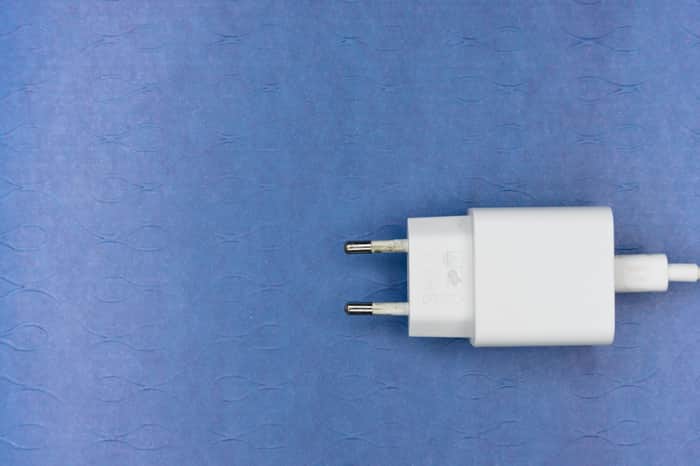
Charging Cables: The Silent Wallet Killer
Quick question: How many charging cables have you bought in the past year? Two? Three? Maybe five?
What's frustrating is when a cable you bought just a month ago already starts showing signs of giving up. The connector starts fraying, charging slows down, or it randomly disconnects mid-charge.
And you think: "Must be a cheap knockoff. Should've bought the expensive one."
Hold on. Before you blame the cable's quality, take a moment for some self-reflection. Because most charging cables don't fail because they're poorly made—they fail because of how we use them.
Yeah, brutal use. We often don't realize that our small daily habits are slowly killing our charging cables.
Let me be clear: Quality determines how long a cable can potentially last. Your habits determine how fast it actually dies.
Small Habits That Murder Your Charging Cables
1. Yanking the Cable Instead of Gripping the Plug
This is the classic mistake, and probably the most common.
You're in a rush, phone's charged, so you quickly unplug by pulling the cable itself instead of gripping the connector head near the phone port.
Why is this a problem?
Because every time you yank the cable, the stress that should be distributed to the solid connector gets transferred to the thin wire inside. Over time, the delicate copper wires inside start breaking or fraying.
The fix: Always grip the connector head when unplugging, never the cable. Simple habit, massive impact.
2. Bending the Cable at Sharp Angles Near the Connector
This happens constantly, especially when charging in bed or at a desk where the outlet is awkwardly positioned.
The cable bends sharply right where it connects to your phone or adapter. It forms an L-shape or sometimes even hooks back on itself.
Sure, cables are designed to be flexible, but not to be bent at extreme angles constantly.
Eventually, the outer insulation at the bend point cracks and splits, sometimes exposing the wires inside. Once that happens, it's only a matter of time before it completely fails.
The fix: Make sure your phone and charger placement allows the cable to run naturally without sharp bends. Or grab a cable protector or spring guard—they're cheap and effective.
3. Wrapping Cables Too Tightly or Using Rubber Bands
We all do this when traveling or organizing. To keep things tidy, we wrap the cable and secure it with a tight rubber band or twist tie.
The problem? The thin copper wires inside can break or deform when forced into tight loops repeatedly.
It's even worse if you wrap the cable while it's still attached to the charger or phone. The connector area gets double stress from both the wrap tension and the bend angle.
The fix: Wrap cables loosely, and use soft cable ties or velcro straps instead of tight rubber bands. And always detach the cable from devices before wrapping.
4. Leaving Your Phone in Awkward Positions While Charging
Ever charged your phone while it's in your bag, under your pillow, or propped against something that forces the cable into weird positions?
Or charged while using your phone, resting it against your chest or lap, bending the cable unnaturally?
Cables that are constantly forced into unnatural positions wear out much faster.
The fix: Charge your phone on a flat, stable surface. If you must use it while charging, make sure the cable isn't bent, twisted, or pinned under anything.
5. Gaming or Streaming While Charging
"Wait, does that even matter?"
It does. But it's more about heat than the activity itself.
When you game or stream high-quality video, your phone heats up. Add charging to that, and the heat compounds. This heat makes the cable's protective coating brittle and prone to cracking, especially near the connector.
Plus, if you're moving the phone around during use, the cable experiences repeated stress while hot. Not a good combo.
The fix: When charging, let your phone rest. If you absolutely need to use it, stick to light tasks or give it breaks to cool down.
6. Leaving Cables Dangling or Getting Stepped On
After charging, you unplug from your phone but leave the charger plugged into the outlet with the cable dangling.
Or you leave the cable on the floor where it gets stepped on, rolled over by a chair, or caught in a closing door.
Cables that dangle support the weight of the adapter brick, stressing the connection. Cables on the floor get physically damaged from pressure.
The fix: After charging, unplug the charger from the outlet and store it properly. Don't leave cables lying around where they can get damaged.
Why Even Original Cables Break Fast
"But this is an original cable, why did it still break?"
Original cables are usually better in terms of material quality. But remember, even original cables are still just cables. They have limits.
If you yank them daily, bend them at extreme angles, wrap them tightly, and use them while gaming for hours, even an original cable will eventually give up.
Cable quality determines potential lifespan. Your habits determine actual lifespan.
So don't just rely on buying expensive cables. Fix how you use them too.
How to Make Your Charging Cables Last Longer
Now that you know the common mistakes, here are practical tips to extend your cable's life:
1. Buy Cables with Reinforced Connectors
Many cables now come with extra protection at the connector ends—spring guards, braided sleeves, or reinforced housings. These significantly reduce stress on the most vulnerable part.
Or if you're crafty, buy spring protectors separately and add them to your existing cables.
2. Use Cable Organizers
If you carry cables around a lot, invest in decent cable organizers. Don't just wrap them loosely and toss them in your bag. There are plenty of affordable organizers that keep cables neat without bending or stressing them.
3. Rotate Your Cables
If you have multiple charging cables, rotate their use. Don't wear out just one cable. By rotating, you distribute the wear and tear, making all your cables last longer.
4. Don't Use Damaged Cables
If a cable starts fraying or you can see wires inside, stop using it immediately. Besides being dangerous (risk of electric shock or short circuits), damaged cables can also harm your phone's charging port or adapter.
Replace it before it causes bigger problems.
5. Store Cables Properly
After use, store cables in a safe place. Don't leave them on the floor or on tables where they can be stepped on or pulled by someone walking by.
Create a habit: after use, store it in the same place. A drawer, a small cable box, whatever works for you.
Bottom Line: Treat Your Cables Like You Treat Your Phone
Charging cables might seem trivial and cheap. But add up how many you've bought in a year and multiply by the price. Not so cheap anymore, right?
Not to mention the frustration when you urgently need to charge and your cable suddenly stops working.
Taking care of charging cables is actually simple. It just requires a bit of attention and more careful habits.
Unplug properly, don't bend excessively, store neatly, and don't use while the phone is under heavy load.
With better habits, your charging cables can last way longer. Save money, save frustration.
And who knows, you might become one of those rare people who don't need to buy a new cable every month. 😄