- Published on
Why Time Seems to Accelerate as You Get Older
- Authors

- Name
- Siendu Damar
- Author
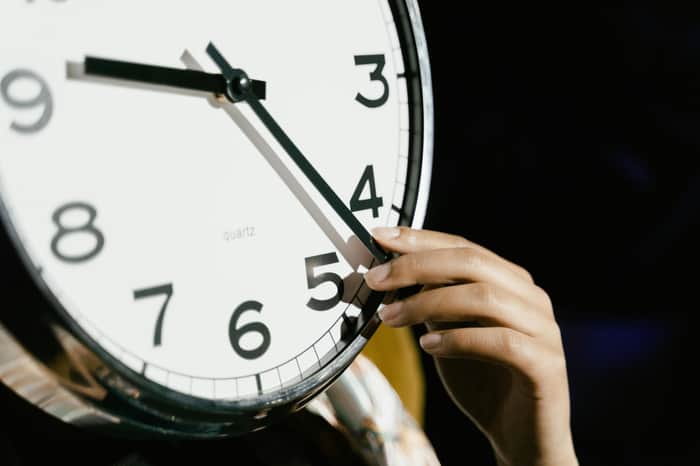
Wasn't It Just New Year's? How Is It Already Mid-Year?
You've probably felt this: back in elementary school, waiting for summer break felt like forever. Now, a year passes like it was just a month. Sometimes you catch yourself thinking, "wait, what month is it even?"
This isn't unique to you. Nearly every adult experiences the same thing: time feels faster as we get older. And what's stranger, this isn't an illusion. There are concrete reasons why our brain perceives time differently as we age.
So why does this happen? And more importantly: can we "slow down" time so life doesn't feel like it's rushing past?
Our Brain Only Remembers What's New and Different
One major reason time feels fast is because our brain only stores memorable memories.
When you were a kid, almost everything was new. First time riding a bike, first time at the beach, first time getting a good grade, first time being scolded by a teacher. Each experience was unique, and your brain stored all of it as distinct memories.
Because so many memories were being formed, that period of time felt long in your recollection.
Now compare that to adult daily life. Wake up, work, go home, Netflix, sleep. Tomorrow, same thing. Next week, same thing. Next month? Probably not much different.
Because it's routine and repetitive, your brain doesn't store many memories. So when you try to remember "what did I even do these past three months?", the answer is fuzzy. Nothing stands out. And when nothing is stored, time feels like it just passed by.
Bottom line: time feels slow when there are many new experiences. Time feels fast when life goes on autopilot.
Time Ratio Changes With Age
There's a psychological theory that says time perception is relative to our total lifespan.
When you're 5 years old, one year equals 20% of your entire life. That's a massive portion. That's why when you're young, a year feels long.
Now you're 25 years old. One year is only 4% of your life. The proportion is much smaller. That's why a year feels quick.
When you're 50? One year is only 2% of your total life. Even smaller. Even faster.
This means as we get older, every year will feel faster than the year before. Not because time itself is changing, but because the context of our experience is changing.
Kind of unsettling when you think about it.
Days Become Monotonous With No Distinction
When you were a kid, your time structure was clear. There were vacations, exams, school events, birthdays, family gatherings. Each month had something different.
Now? Monday through Friday become one blob of sameness. You work constantly. Weekends are sometimes just for rest or scrolling. Nothing really differs from week to week.
Because days become homogeneous, our brain can't distinguish one week from another. Everything becomes one blurry period. And when there's no distinction, time doesn't feel structured.
Imagine a movie with no chapters or plot twists. Long, but nothing sticks in your head. Same with time. If there are no standout moments, everything just blurs past.
We Stop Learning New Things
When you were in school or college, you constantly learned new things. New subjects, new friends, new places. Your brain was actively processing information.
As adults, many people stop learning. They get comfortable in their comfort zone. They feel they "know enough" for their job. They don't explore new hobbies or skills.
And without new stimulation, our brain goes on autopilot.
Why does this make time feel fast? Because a brain on autopilot isn't fully engaged. You're doing something but not really conscious of doing it. Like driving on a familiar road—suddenly you've arrived, but you don't remember the journey.
Conversely, when you learn something genuinely new—whether it's a new language, musical instrument, sport—your brain becomes fully present. Time feels slower because you're truly experiencing the process.
We Focus Too Much on the Future, Not the Present
Adults have a problem: we rarely live in the moment.
We're always thinking: "later when I get paid", "later when vacation comes", "later when this project is done". We don't consciously experience today because our focus is on tomorrow or next week.
As a result, we're not truly present in today. And if you're not present, of course today passes without a trace.
This is also why vacations feel longer than work days. Not because vacation is actually longer in duration. But because during vacation, you're more present. You're aware of what you're doing. You savor the moment. That's why it feels longer.
Work days? You're just waiting for 5 PM. You're unconscious of the process. That's why it passes quickly.
How to "Slow Down" Time: Add New Experiences
The good news: while we can't change how time works, we can change how we experience time.
The key is simple: add new things to your life.
It doesn't have to be big like traveling abroad or changing careers. Small things are enough:
- Try a new restaurant once a week.
- Walk home via a different route.
- Listen to a music genre you've never explored.
- Talk to someone you don't usually talk to.
- Take an online class or short workshop.
The point is, break the monotony. Give your brain something new to process. That way, this week will feel different from last week. And when there's difference, your brain will store it as memory.
More memories = time feels longer.
Create Rituals or Moments That Are Consistent But Memorable
Besides new experiences, you can also create recurring moments you look forward to.
For example:
- Every Friday night, you cook a fancy meal for yourself.
- Every end of month, you visit a place you've never been.
- Every week, you video call an old friend or family member.
Rituals like this make your time structure clearer. You have something to anticipate. You have distinction between this week and next week.
And because there's structure, time doesn't feel blurry.
Be Conscious and Mindful in Small Moments
The most effective way to slow down time isn't actually filling your schedule with activities. It's being more conscious in activities you already do.
For example:
- When eating, truly enjoy the food. Don't scroll.
- When showering, feel the water, smell the soap, notice the atmosphere. Don't just autopilot.
- When walking, pay attention to your surroundings. Sky, trees, people. Don't immediately put on headphones.
This sounds incredibly simple, but the effect is significant. When you're conscious of experiencing something, your brain stores it as an experience. That moment has weight.
Conversely, if you do everything on autopilot, that moment disappears without trace.
Time Speeding Up Is Normal, But Not Uncontrollable
So yes, time feels faster as we get older. That's natural. It's a result of how our brain works and how our life changes.
But that doesn't mean you have no control. You can still make life feel longer, richer, more memorable.
The way isn't by adding hours to the day. It's by adding quality to the experiences in the days you have.
Try new things. Be present in moments. Create structure that isn't monotonous.
Because in the end, what matters isn't how long you live. It's how fully you experience that life.
And that's something you can start today.